Construction keeps the world running. Every road, every building, every home starts with people willing to do the physical work of putting it together.
It's demanding work, but it pays well and it's in demand almost everywhere. Here's what the job actually involves, what it takes to get started, and what the real trade-offs are.
You will be redirected.
What the Work Actually Involves
The construction industry is massive, worth trillions of dollars worldwide, and it keeps growing as cities expand and infrastructure ages. Large multinational construction firms build everything from subway systems to offshore wind farms, and they need a steady supply of skilled and unskilled labor to make it happen.
Working construction today often means using better tools and safer methods than a generation ago. Between a housing shortage in many countries and aging public infrastructure, demand for construction workers isn't slowing down anytime soon.
What the Job Actually Looks Like
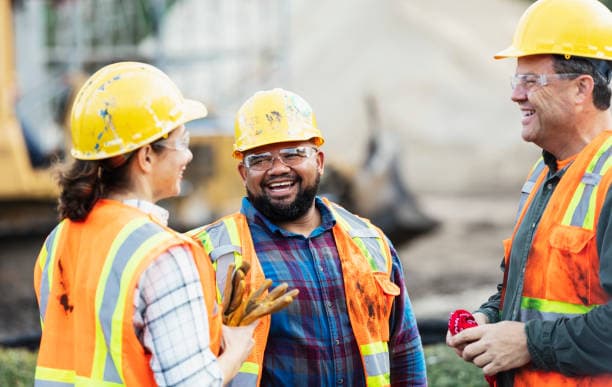
A construction site runs on precision and safety. The roles of general labor and helpers are far more involved than simple heavy lifting.
1. General Laborer (Site Prep and Logistics) Before anything gets built, someone has to prepare the site. General laborers clear the ground, dig trenches for foundations, and set up scaffolding and safety barriers so other trades can work. They also handle materials, making sure the right timber, steel, or concrete gets to the right spot at the right time.
You will be redirected.
2. Construction Helper (Trade Support) Helpers assist skilled tradespeople directly. A carpentry helper might measure and cut formwork for concrete; an electrician's helper might pull cabling through conduits. It's a hands-on way to learn a trade, from reading blueprints to understanding local building codes.
3. Concrete and Masonry Specialists One of the most physically demanding roles involves working with concrete: pouring and finishing it correctly, on a tight schedule. Humidity and temperature both affect how concrete sets, so timing and coordination matter. Mistakes here are permanent and can affect the structural integrity of a building.
4. Site Safety and Maintenance Experienced laborers often move into safety-focused roles. They make sure welding happens away from anything flammable, that fall-protection harnesses get checked daily, and that the site stays clear of hazards. In an industry where one mistake can be fatal, these are some of the most respected people on the crew.
What You Need to Get Started
Entry requirements vary by region, but the universal standard is a mix of physical readiness and safety certification.
- Physical Capability: This one's non-negotiable. You need to be able to work on your feet for long hours, often in sun, rain, or cold. Being able to lift around 25kg (55lbs) repeatedly is a standard requirement.
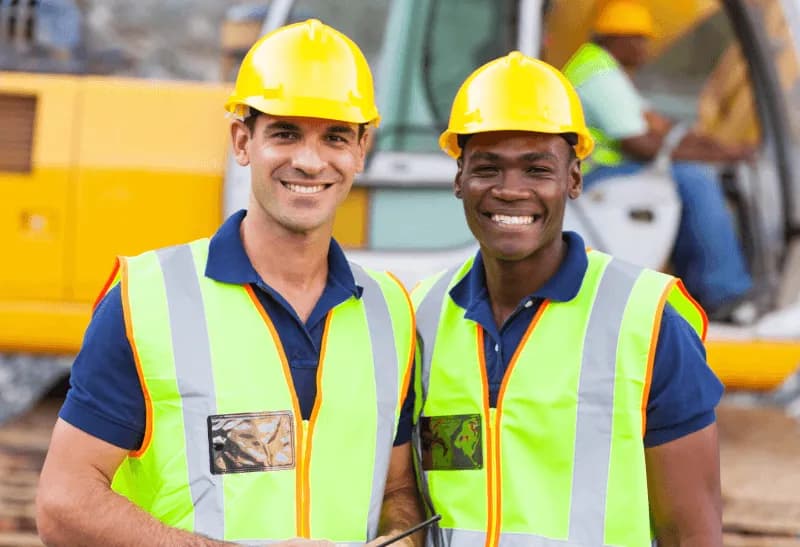
- Certifications: In most developed economies, you cannot step onto a site without a safety card. Examples include OSHA 10/30 in the US, CSCS in the UK, or the White Card in Australia. These prove you understand the biggest on-site hazards, like falls, being struck by equipment, and electrocution, and how to avoid them.
- Technical Literacy: Basic geometry and math come up constantly, like calculating the volume of a trench or the angle of a cut. Comfort with power tools, from pneumatic hammers to circular saws, is expected.
- Communication: On a noisy site, being able to give and receive clear hand signals or radio commands isn't optional. It matters for everyone's safety.
You will be redirected.
Who This Job Fits
Construction is a global industry that welcomes a wide range of people:
- The Skill-Seeker: People who want a career that can't be automated away. A plumber or a mason has hands-on expertise that stays valuable.
- Newcomers and Migrant Workers: Construction has long been one of the biggest paths into a new country's workforce. Large projects, especially in fast-growing regions, often hire international crews and may include housing as part of the package. Always confirm exactly what's included and what your rights are before accepting a position abroad.
- Veterans and Former Military: The discipline, structure, and teamwork of construction work often appeals to people with a military background.
The Upsides
- High Earning Potential: Unlike a fixed hourly rate, construction often pays prevailing wages or union rates, which can be significantly higher. Overtime, night differentials, and hazard pay can add up to a strong annual income.
- Geographic Flexibility: A skilled construction laborer can find work in almost any city in the world. The core skills are universal, whether you're pouring concrete in London or Tokyo.
- Projects in Remote Areas: Large infrastructure projects sometimes include housing, meals, and other support as part of the job, which can mean real savings during the contract. Always get the details in writing before you commit.
- Prestige: There's real satisfaction in building something that will stand for a hundred years. It's a career with a visible, lasting result.
The Trade-Offs
- Physical Attrition: The long-term toll on your back, knees, and shoulders is real. Without proper form and self-care, construction workers often face early retirement due to physical wear and tear.
- Economic Volatility: Construction is cyclical. When interest rates rise, developers slow down building. That can mean sudden layoffs or long gaps between projects, which makes financial planning harder.
- Weather Dependence: Heatwaves can make work dangerous, and heavy rain can shut a site down entirely, sometimes meaning lost wages for the day.
- Cost of Living Gap: Wages are often high, but many construction hubs are in expensive cities, where the cost of housing and food can eat into your take-home pay.
⚠️ Before You Apply: Stay Safe
Be cautious of postings that ask for payment, personal documents, or banking details before a normal hiring process has taken place.
A real construction employer will never ask you to pay upfront for safety gear, training, or a work permit. If a job abroad includes housing or travel costs, get every detail in writing before you commit, and verify the employer whenever possible.
Where This Can Take You
Construction labor is honest, demanding work that rewards people who stick with it. Many workers move from general laborer to foreman, site manager, or independent contractor over time. As the world keeps building and rebuilding, skilled construction workers remain some of the most in-demand people anywhere.
You will be redirected.
This page is not affiliated with, endorsed by, or operated by any specific employer or job platform. Job availability, eligibility, pay, and requirements can change, and each listing's own requirements take precedence over anything summarized here.
Advertiser disclosure: this site may receive compensation when readers click links to third-party job platforms or offers featured on this page.