The modern supply chain runs on warehouses. Every online order, every restocked shelf, every next-day delivery starts with people moving product through a warehouse floor.
It's fast-paced work that blends physical effort with real technology. Here's what the job actually involves, what it takes to get started, and what the trade-offs really are.
You will be redirected.
What the Work Actually Involves
Warehousing is a massive global industry, worth trillions of dollars, and it keeps growing as more shopping and shipping moves online. Major logistics companies run huge fulfillment centers using robotics, predictive software, and international distribution networks to move goods around the world.
That matters more than people realize. During emergencies, whether it's a supply shortage, a natural disaster, or a shipping disruption, warehouses are what keep food, medical supplies, and everyday goods actually reaching people.
For a job seeker, this means joining a workforce the world genuinely depends on. Modern warehouses often blend factory-level discipline with real opportunities to grow into better-paid, more technical roles.
What the Job Actually Looks Like
A warehouse runs on coordination, and every role has its own rhythm to keep up with.
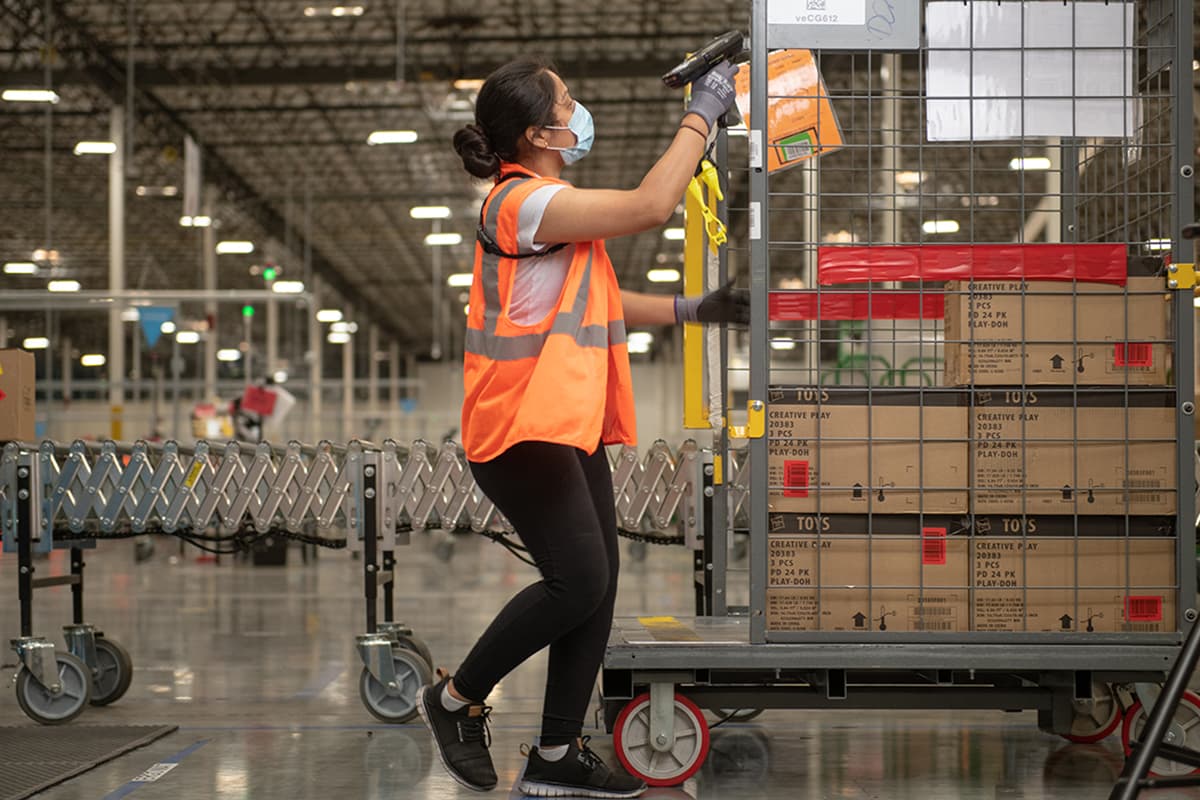
1. Picker and Packer (The Front Line) Pickers navigate the warehouse to find items ordered by customers, often guided by voice-picking technology or handheld scanners. Once items are gathered, packers take over: choosing the right packaging to keep shipping costs down, protecting fragile items, and making sure the digital order matches the physical goods. Mistakes here lead to returns, which are the most expensive part of the whole chain.
You will be redirected.
2. Receiver and Stower Before an item can be sold, it has to come in. Receivers unload containers from ports or trucks, check for damage, and log everything into the warehouse management system. Stowers then find a place for it. In some warehouses, items go wherever there's space to maximize storage, a system tracked entirely by software that knows exactly where every single item sits.
3. Forklift and Heavy Equipment Operations This is where manual labor meets technical skill. Operating a reach truck, side loader, or counterbalance forklift takes real spatial awareness. These operators handle replenishment: moving pallets from high storage down to active picking zones. They also load outbound trailers, making sure weight is distributed evenly so trucks don't tip during transport.
4. Inventory Control and Quality Assurance For people who like details, this role involves constantly counting stock to make sure digital records match what's actually on the shelves. It means catching missing inventory and damaged goods, and it plays a real role in preventing losses.
What You Need to Get Started
Entry-level roles usually come with on-the-job training, but moving up takes a specific set of skills.
- Technological Literacy: You don't need to be a programmer, but you do need to be comfortable with digital interfaces. Almost every action in a warehouse gets logged on a screen or scanner.
- Physical and Mental Endurance: You could walk 10 to 20 kilometers a day in a large facility. Staying focused through repetitive tasks matters just as much as the physical side.
- Certifications: A high school diploma is standard, but a specialized equipment license is where the real advantage is. A forklift certification or a process-improvement credential like Lean Six Sigma can significantly increase your earning potential.
- Communication: A warehouse is loud and busy, and clear instructions prevent accidents. Being able to adapt is just as important, since priorities can shift mid-shift.

You will be redirected.
Who This Job Fits
The warehouse sector welcomes a wide range of people:
- The Career Starter: People looking for a job with a real path to management, without needing a four-year degree to get started.
- The Technical Pragmatist: People who like working with machinery and their hands, but prefer the stability of an indoor, structured environment.
- Expatriates and Newcomers: In busy logistics hubs around the world, from Dubai to Rotterdam to Chicago, warehouses are often a major employer for newcomers, since the work itself is standardized and easy to step into quickly.
The Upsides
- Tuition and Training Support: Many large warehouse employers run tuition assistance programs, covering a big share of the cost for employees studying logistics, healthcare, or other in-demand fields.
- Work-Life Rhythms: Many warehouses run on a 4x10 schedule, four days of work, ten hours each, giving employees three full days off. It's a real draw for people who value long weekends.
- Safety and Benefits: Compared to a lot of manual labor jobs, larger logistics companies tend to offer solid health coverage and are held to strict safety regulations, making the work environment far safer than it used to be.
The Trade-Offs
- Performance Pressure: In a tech-driven warehouse, your output often gets tracked automatically. If your rate drops, the system flags it, and that constant pressure can lead to burnout if it's not managed well.
- Economic Sensitivity: Rising energy and living costs can make warehouse work less comfortable and more expensive to commute to, especially since many facilities sit in industrial areas outside city centers.
- The Automation Shift: Robots keep getting better at picking and sorting. Long-term, workers who learn to manage and troubleshoot the technology tend to stay more valuable than those doing only manual tasks.
⚠️ Before You Apply: Stay Safe
Be cautious of postings that ask for payment, personal documents, or banking details before a normal hiring process has taken place.
A real warehouse employer will never ask you to pay upfront for training, equipment, or a work permit. Verify the employer whenever possible, and get any relocation or housing details in writing before you commit.
Where This Can Take You
The modern warehouse is built on real technology and real opportunity. Someone can start out packing boxes and end up managing a large team or overseeing automated systems. It's a career built on discipline, speed, and scale.
You will be redirected.
This page is not affiliated with, endorsed by, or operated by any specific employer or job platform. Job availability, eligibility, pay, and requirements can change, and each listing's own requirements take precedence over anything summarized here.
Advertiser disclosure: this site may receive compensation when readers click links to third-party job platforms or offers featured on this page.