What Is 'Slow Travel,' Really?
Forget the frantic rush from one tourist trap to another. Slow travel is a mindset that prioritizes depth over breadth. Instead of trying to see an entire country in a week, you might spend that time exploring a single city or region, living more like a local than a tourist. It's about swapping a packed itinerary for spontaneous discovery, and truly immersing yourself in the culture, customs, and community of a place.
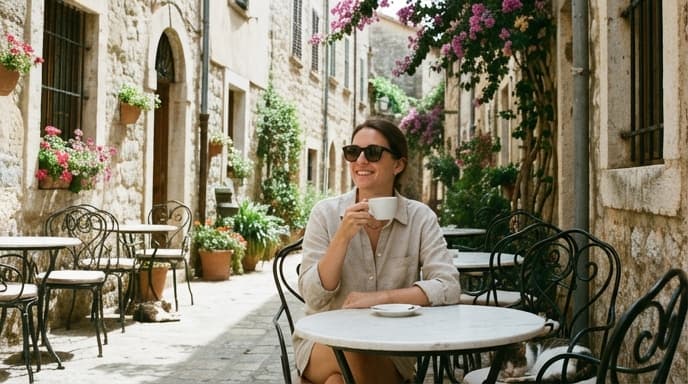
At its core, slow travel is about connection. It's the difference between snapping a photo of a famous market and actually spending an afternoon talking to the vendors, learning their stories, and buying fresh ingredients to cook later. This approach values experiences over simple sightseeing.
The Core Benefits of Traveling Slowly
Embracing a slower pace on your travels offers a wealth of rewards that go far beyond a camera roll full of photos. It's a more sustainable and fulfilling way to see the world.
- Reduced Stress and Burnout: Constant travel, tight schedules, and early mornings are exhausting. Slow travel eliminates this pressure, allowing you to relax, recharge, and actually enjoy your time off.
- Deeper Cultural Connection: By staying in one place longer, you have the opportunity to build relationships, understand local nuances, and experience a culture from the inside, rather than just observing it from a distance.
- More Authentic Experiences: You'll discover hidden gems—the small family-run restaurant, the quiet park, the local artisan shop—that aren't in the guidebooks. These are often the most memorable parts of a trip.
- Supports Local Economies: Slow travelers are more likely to spend money at local businesses rather than large international chains, which directly benefits the community you're visiting.
Practical Tips for Your First Slow Trip
Ready to give it a try? You don't need to quit your job and travel for a year. You can apply slow travel principles to any trip, even a weekend getaway.
First, choose one location and commit to it. Rent an apartment instead of a hotel to have a kitchen and a neighborhood base. Next, leave your schedule open. Plan one key activity per day and let the rest unfold naturally. Finally, learn a few phrases in the local language, use public transportation, and shop at local markets. These small efforts can completely change your perspective and your experience.
Frequently Asked Questions
Is slow travel more expensive?
Not necessarily. While you might spend more on accommodation in one place, you'll save on transportation costs between cities. Cooking some of your own meals can also significantly reduce expenses.
How long should a slow travel trip be?
There's no set rule. It can be a week, a month, or a year. The key is the mindset of immersion, not the duration.
Can you do slow travel with kids?
Absolutely! It's often a better way to travel with children, as it avoids the stress of constantly moving and allows for a more relaxed, kid-friendly routine.
Key Takeaways
- Slow travel prioritizes deep experiences over a long list of sights.
- It helps reduce travel-related stress and burnout.
- This approach fosters authentic connections with local culture and people.
- You can apply slow travel principles to any length of trip.
- It's often a more sustainable and budget-friendly way to explore.
Suggested Internal Links
Read more about smart travel:
- The Capsule Wardrobe: A Traveler’s Guide to Packing Less and Having More
- The 24-Hour Rule: A Simple Flight Booking Trick to Avoid Costly Mistakes
Sources for Verification
This article is based on established principles of the slow travel movement. For further reading, consult major travel publications and sustainable tourism resources.