Don't Let Money Ruin Your Trip
Planning a trip involves countless details, from itineraries to packing lists. But one of the most overlooked—and most critical—areas is financial preparation. A simple oversight can lead to your bank's fraud detection system freezing your accounts right when you need them most. By following a simple checklist, you can ensure smooth transactions and avoid costly surprises.
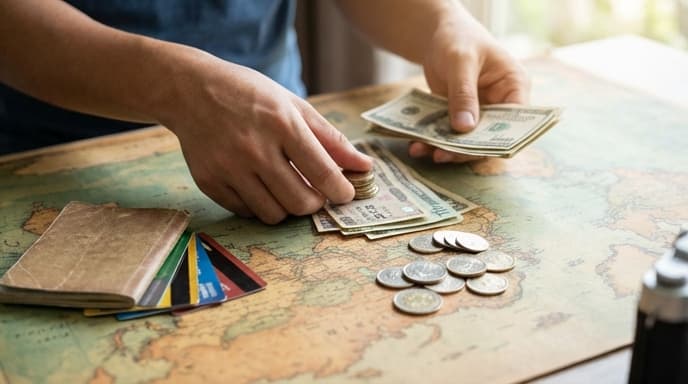
1. Notify Your Banks and Credit Card Companies
This is the most important step. Before you leave, let your financial institutions know your travel dates and destinations. If your bank sees a sudden transaction from another country without warning, they will likely flag it as fraud and block your card. Most banks allow you to set up a 'travel notice' easily through their website or mobile app.
2. Check for Foreign Transaction Fees
Many credit and debit cards charge a foreign transaction fee, typically around 3% of every purchase you make abroad. This can add up quickly. Check the terms of your cards before you go. Consider using a card that has no foreign transaction fees specifically for your travel spending. These are often marketed as 'travel rewards' cards.
3. Have a Smart Cash Strategy
While cards are widely accepted, it's always wise to have some local currency for small purchases, tips, or emergencies. But avoid exchanging large amounts of cash at airport currency kiosks, which often have the worst rates. A better strategy is to withdraw local currency from a bank ATM upon arrival. Check if your bank has international partners to avoid ATM fees. It's also smart to carry a mix of small and large bills.
4. Create a Simple Travel Budget
You don't need a complicated spreadsheet, but having a rough idea of your daily spending limit can prevent you from coming home to a massive credit card bill. Categorize your expected costs: lodging, food, activities, transportation, and souvenirs. Track your spending with an app or a small notebook to stay on course.
5. Make Copies of Important Documents
In case of loss or theft, having copies of your financial and travel documents is a lifesaver. Make two sets of photocopies of your passport, driver's license, credit cards (front and back), and travel itineraries. Keep one set with you (separate from the originals) and leave another with a trusted person at home. It's also a great idea to have digital copies saved in a secure cloud service.
Frequently Asked Questions (FAQ)
Is it better to use a credit card or a debit card abroad?
Credit cards are generally better for purchases as they offer stronger fraud protection and often have better exchange rates. Debit cards are best for withdrawing cash from ATMs. Avoid using a debit card for everyday purchases like at a restaurant or hotel.
Should I choose to pay in the local currency or my home currency?
Always choose the local currency. If a merchant offers to charge you in your home currency, they are using a process called Dynamic Currency Conversion (DCC), which almost always comes with a poor exchange rate and hidden fees. Paying in the local currency ensures you get your bank's much more favorable exchange rate.
How much cash should I carry?
This depends on your destination, but a good rule of thumb is to carry enough cash for one to two days of small expenses. Avoid carrying large wads of cash, and store it securely in a money belt or hotel safe.
Key Takeaways: Summary
- Set a travel notice with your banks to prevent your cards from being blocked.
- Use credit cards with no foreign transaction fees to save money on purchases.
- Withdraw local currency from bank ATMs upon arrival for the best exchange rates.
- Create a simple budget to keep your spending in check.
- Keep digital and physical copies of your important financial documents in a safe place.