The Secret to a Better, Cheaper Vacation
Every popular travel destination has a 'peak season'—a time when the weather is perfect, the crowds are massive, and the prices are sky-high. On the other end is the 'off-season,' with lower prices but often undesirable weather. But nestled between these two extremes is the travel industry's best-kept secret: the shoulder season. By strategically planning your trip during this sweet spot, you can get the best of both worlds and completely transform your travel experience.
What is the Shoulder Season?
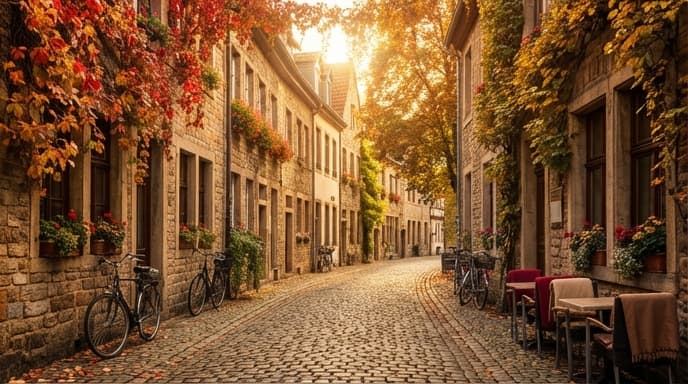
The shoulder season is the period of time just before and just after a destination's peak tourist season. Think of it as the 'shoulders' on either side of the high point. For example, the peak season for many European destinations is summer (June-August). The shoulder seasons would be spring (April-May) and fall (September-October). These periods bridge the gap between the busy, expensive peak season and the quiet, often-chilly off-season.
The Top 3 Benefits of Shoulder Season Travel
1. Fewer Crowds
This is perhaps the biggest advantage. You'll spend less time waiting in lines at major attractions, find it easier to book reservations at popular restaurants, and be able to take photos without a hundred other people in your shot. The overall experience is more relaxed and authentic, allowing you to connect with the destination on a deeper level.
2. Lower Prices
With lower demand, the laws of economics work in your favor. Airlines, hotels, and even some tour operators often drop their prices significantly during the shoulder season. This means your travel budget can stretch further, allowing you to stay longer, enjoy more activities, or simply save money.
3. Pleasant Weather
While the peak season might boast the 'best' weather, it can often mean scorching heat, especially in summer destinations. The shoulder season frequently offers more moderate and comfortable temperatures, perfect for walking around and exploring without the oppressive heat of mid-summer or the bitter cold of winter.
How to Find the Shoulder Season for Your Destination
The timing of the shoulder season varies depending on the location. Here are some general guidelines:
- Europe (Mediterranean): Spring (April-May) and Fall (September-October).
- Caribbean: Late spring (late April-May) after the spring break rush and before the summer rainy season.
- U.S. National Parks: Fall (September-October) offers beautiful foliage, fewer visitors than summer, and cooler hiking weather.
- Ski Resorts: Early December or late March/early April, when there's still snow but the holiday crowds have dispersed.
A quick online search for '[Destination] peak and off-peak seasons' will give you a clear idea of when to plan your trip to hit that perfect shoulder season window.
Frequently Asked Questions
Are all attractions open during the shoulder season?
For the most part, yes. Major attractions, restaurants, and hotels remain open. However, in some smaller, very seasonal tourist towns, some businesses might have slightly reduced hours or close for the transition between seasons. It's always good to double-check opening times for specific places you want to visit.
Is the weather unpredictable?
It can be more variable than in peak season. You might experience a mix of sunny days and some cooler, rainier ones. The key is to pack layers and be prepared for a range of conditions. For many, the tradeoff of milder temperatures for a little unpredictability is well worth it.
Does shoulder season travel help with overtourism?
Yes, absolutely. By traveling during less busy times, you help distribute the economic benefits of tourism more evenly throughout the year and reduce the strain on local infrastructure and communities during the peak months. It's a more sustainable way to travel.
Summary: Key Takeaways
- The shoulder season is the period between a destination's peak and off-peak seasons.
- Key benefits include fewer crowds, lower prices for flights and hotels, and pleasant weather.
- It offers a more authentic and relaxed travel experience compared to the hectic peak season.
- To find it, research your destination's high season and plan your trip for the months just before or after.
- Traveling during the shoulder season is a smart, budget-friendly, and more sustainable way to explore the world.
Suggested Internal Links
- A Beginner’s Guide to Travel Hacking with Credit Card Points
- The Art of ‘Skiplagging’: Is Hidden-City Ticketing Worth the Risk?
Validation Sources
- Experienced travel writers and bloggers
- Flight and accommodation price comparison websites
- Official tourism board websites for various countries