The Three Seasons of Travel
To understand the shoulder season, you first need to know the three main periods in the travel industry:
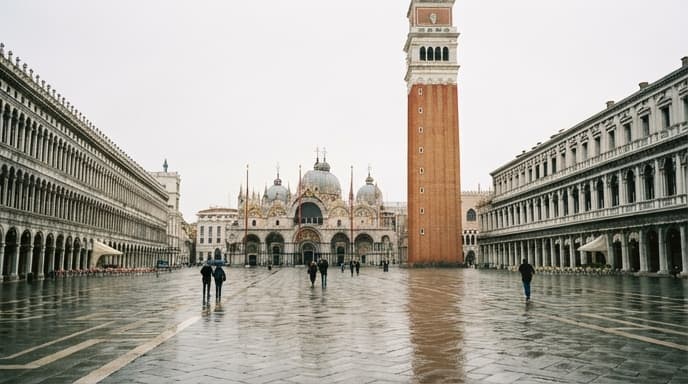
- Peak Season (High Season): This is when a destination is most popular, usually due to the best weather, school holidays, or major events. Prices for flights and accommodations are at their highest, and attractions are packed. (e.g., Europe in July and August, the Caribbean during Christmas break).
- Off-Season (Low Season): This is the least popular time to visit. It's often characterized by undesirable weather (too hot, too cold, or rainy season). While prices are at their lowest, some attractions, hotels, or restaurants may be closed.
- Shoulder Season: This is the magic window right before and right after the peak season. It's the 'shoulder' that props up the peak. For example, if summer is the peak season for a destination, the shoulder seasons would be spring and autumn.
The Benefits of Traveling in the Shoulder Season
Choosing the shoulder season offers a powerful combination of advantages that often create the best possible travel experience.
- Lower Prices: With lower demand, airlines and hotels drop their prices to attract travelers. You can often find significant savings on the biggest travel expenses, leaving more money in your budget for activities and food.
- Fewer Crowds: This is arguably the biggest perk. You'll spend less time waiting in lines at famous landmarks, museums, and restaurants. You'll get better photos without hundreds of strangers in them, and the overall experience will be more relaxed and authentic.
- Pleasant Weather: The shoulder season often boasts some of the best weather of the year. You can avoid the scorching heat of a Mediterranean summer or the bitter cold of a European winter. Think warm, sunny days and cool, comfortable evenings.
- More Local Interaction: With fewer tourists around, locals are often more relaxed and accessible. This can lead to more genuine interactions and a better sense of the local culture.
How to Find the Shoulder Season for Your Destination
The shoulder season varies depending on where you're going. Here are some general guidelines:
- Europe: The peak season is June-August. The shoulder seasons are April-May and September-October.
- USA National Parks: The peak is summer (June-August). The shoulder seasons are late spring (May) and early fall (September-October), when the weather is great and crowds are thinner.
- Caribbean: The peak is December-April (escaping northern winters). The shoulder season is late spring (late April-May) before the summer rains and heat arrive.
- Southeast Asia: This depends heavily on the monsoon season. Generally, the months just before and after the main rainy season are ideal.
A quick search for '[Destination] best time to visit' will usually reveal the peak season, allowing you to easily identify the months on either side as the shoulder season.
Frequently Asked Questions (FAQ)
Q: Are there any downsides to shoulder season travel?
A: A few minor ones. The weather can be slightly less predictable than in the peak season. Some seasonal attractions or transport routes might have slightly reduced hours or not be running at all. However, for most travelers, the benefits far outweigh these potential drawbacks.
Q: Is the shoulder season always cheaper?
A: Almost always. While you might not find the rock-bottom prices of the low season, you'll see a noticeable drop from peak season rates, especially for flights and centrally located hotels.
Q: How far in advance should I book for shoulder season travel?
A: It's still wise to book a few months in advance to get the best deals, as shoulder season travel is becoming increasingly popular. However, you generally have more flexibility than you would for peak season.
Key Takeaways
- The shoulder season is the travel period between a destination's peak and off-peak seasons.
- It offers a 'best of both worlds' combination of lower prices, fewer crowds, and pleasant weather.
- Shoulder seasons vary by destination but are typically in the spring and autumn for places with a summer peak.
- Traveling during this time can lead to a more relaxed, authentic, and affordable vacation.