What is the Golden Hour?
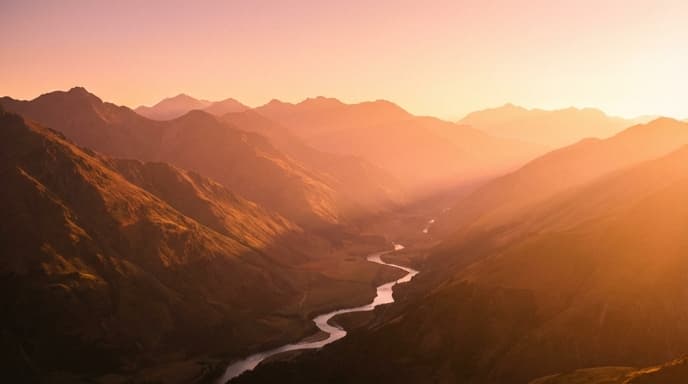
The golden hour, sometimes called the 'magic hour,' is the period of time just after sunrise and just before sunset. During this time, the sun is low in the sky, near the horizon. This position produces a very specific quality of light that is highly sought after by photographers and filmmakers for its beautiful, flattering effects.
Why is the Light So Good During Golden Hour?
The magic of the golden hour comes down to three key characteristics of the light:
- Softness: When the sun is low, its light has to travel through more of the Earth's atmosphere before it reaches us. The atmosphere acts like a giant diffuser, scattering the blue light and softening the direct sunlight. This reduces the intensity of harsh shadows, creating a much more flattering light for portraits and landscapes.
- Warmth: The same scattering effect that softens the light also filters out the blue wavelengths, allowing more of the red, orange, and yellow light to pass through. This gives the light its characteristic warm, golden hue, which tends to make skin tones look healthier and landscapes appear more vibrant.
- Direction: With the sun low in the sky, the light comes from the side rather than directly overhead. This side-lighting creates long shadows, which can add depth, dimension, and texture to your photos, making them feel more three-dimensional and interesting.
When Does the Golden Hour Occur?
There's no exact time, as it varies depending on your geographic location, the time of year, and the weather. However, it is generally considered to be the first hour of light after sunrise and the last hour of light before sunset. Many weather and photography apps have features that will tell you the precise golden hour times for your location on any given day.
Tips for Shooting During Golden Hour
- Plan Ahead: The golden hour is fleeting. Know when it starts and ends, and be at your chosen location with your gear ready to go before it begins.
- Keep Shooting: The quality and color of the light change rapidly. What looks one way at the beginning of the hour will look completely different by the end. Keep taking pictures throughout the period.
- Experiment with Silhouettes: The strong directional light is perfect for creating dramatic silhouettes. Position your subject in front of the setting or rising sun.
- Use a Lens Hood: With the sun low in the sky, it's more likely to shine directly into your lens, creating unwanted flare. A lens hood can help prevent this.
Frequently Asked Questions
What is the 'blue hour'?
The blue hour is the period of twilight just before sunrise and just after sunset, when the sun is below the horizon but there is still indirect light. The light during this time has a deep blue color and is excellent for cityscapes and moody landscapes.
Can I still shoot if it's cloudy?
Yes. A cloudy or overcast day can act as a giant softbox, creating soft, diffused light all day long. While you won't get the warm, golden color, you will still get beautifully soft shadows, which is great for portraits.
Is golden hour only for professional photographers?
Not at all! Even photos taken with a smartphone will look dramatically better during the golden hour. It's the easiest and most effective way for anyone to improve their photography.
Summary: Key Takeaways
- The golden hour is the first hour after sunrise and the last hour before sunset.
- The light is soft, warm, and directional, which is highly flattering for all subjects.
- This quality is due to the sun's low position, causing its light to be diffused by the atmosphere.
- Plan ahead, as the golden hour is brief and the light changes quickly.
- This principle can improve photos from any camera, including smartphones.